Blog
Lock Out Tag Out (LOTO): OSHA's Real 8-Step Procedure, Explained
Lock out tag out means physically isolating a machine from every energy source before servicing it, then locking that isolation in place. OSHA's own Appendix A lists 8 real steps, not the 5 or 7 most training content describes, and it's the most-cited standard in our entire enforcement database.
OSHA First Aid Kit Requirements, Explained: What 1910.151 Actually Requires (and What It Doesn't)
OSHA's first aid standard, 29 CFR 1910.151, doesn't list a single required item, it requires "adequate" supplies that are "readily available," full stop. The real contents list comes from ANSI Z308.1, and in our own data, the biggest citation driver under this standard isn't kit contents at all, it's missing eyewash stations.
OSHA's Bloodborne Pathogens Standard, Explained: Who It Covers and What It Actually Requires
OSHA's bloodborne pathogens standard requires a written exposure control plan, a hepatitis B vaccine offer within 10 days of assignment, annual training, and universal precautions on every job, not just in hospitals. See who it actually covers and a real case where a hotel chain was cited under it.
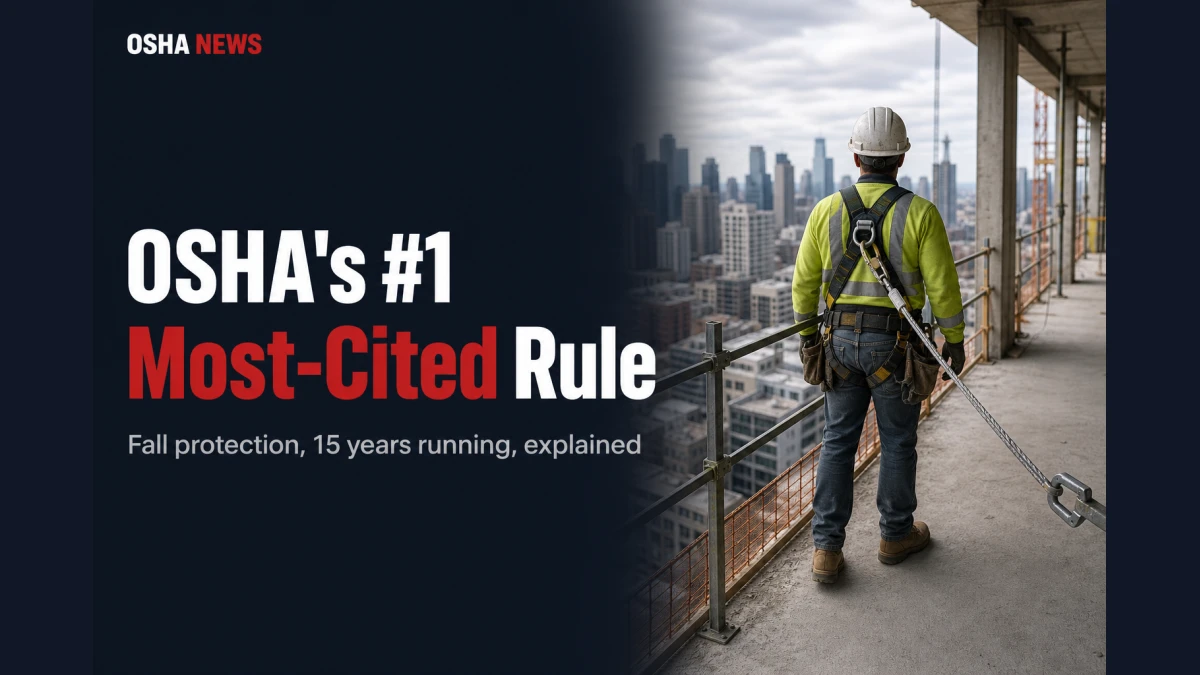
The OSHA Fall Protection Standard, Explained: Why It's Cited More Than Any Other Rule in the Country
The OSHA fall protection standard, 29 CFR 1926.501, has been the single most-cited rule in the country, not just in construction, for 15 consecutive fiscal years. In our own database it carries 312,076 citations and $698 million in penalties, more than any other standard we track. Here is what it actually requires and three real cases showing what happens when it fails.
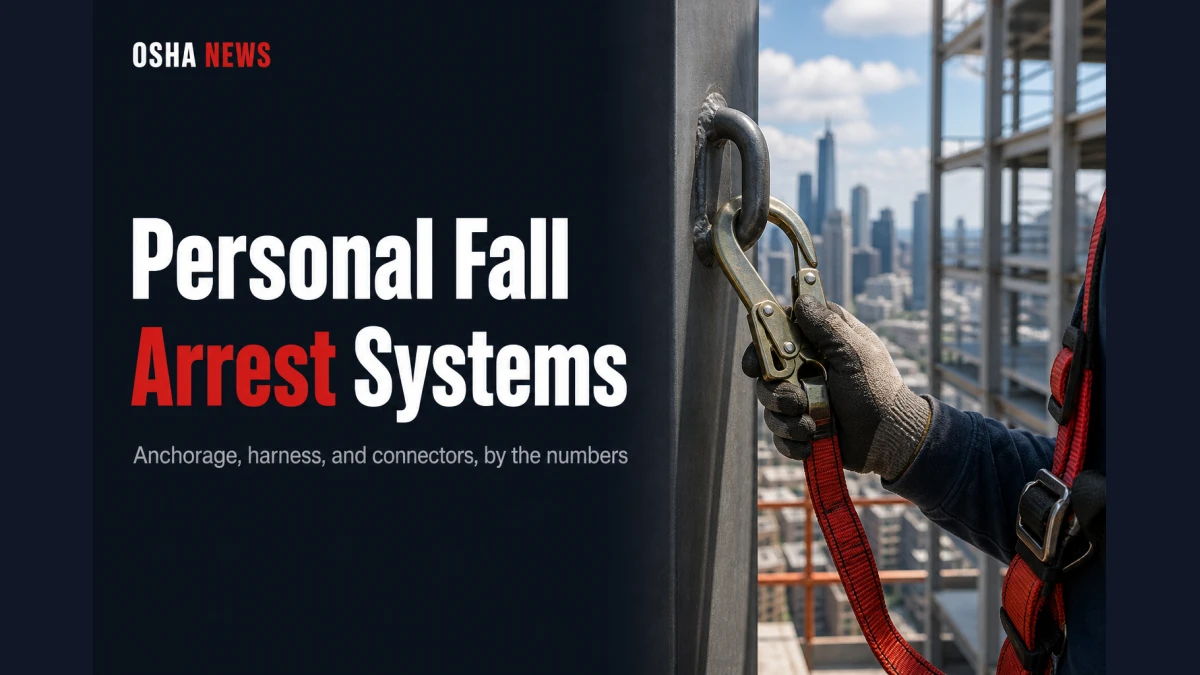
Personal Fall Arrest System: Required Components, Real Numbers, and a Real Failure
A personal fall arrest system catches a fall already happening: an anchorage, connectors, and a body harness at minimum, built to limit a worker to no more than 6 feet of free fall, 1,800 pounds of arresting force, and a 3.5-foot stop. A real case shows what happens when one part fails.
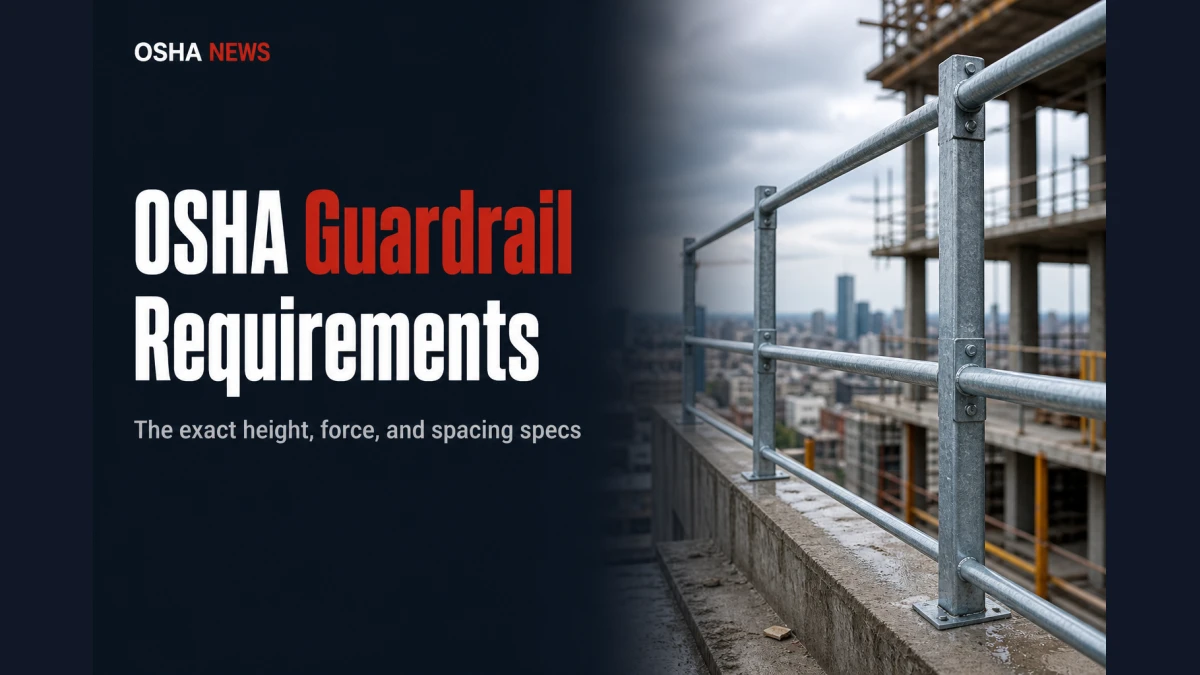
OSHA Guardrail Requirements: The Exact Height, Force, and Spacing Specs (29 CFR 1926.502(b))
OSHA guardrail requirements under 29 CFR 1926.502(b): a 42-inch top rail (plus or minus 3 inches) that must withstand at least 200 pounds of force, a midrail rated for 150 pounds, and gaps capped at 19 inches. A real case shows what happens when the rail is there but cannot hold.
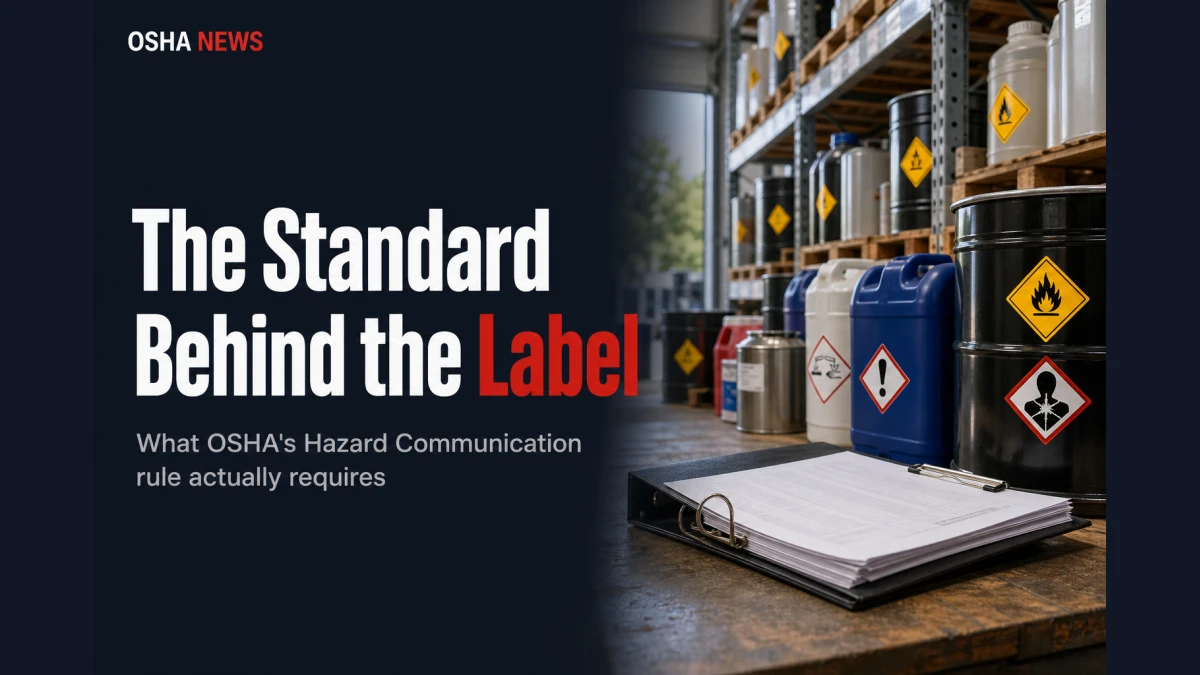
The OSHA Hazard Communication Standard, Explained: What It Requires and Why It's the Most Cited Rule in Enforcement
The OSHA Hazard Communication Standard, 29 CFR 1910.1200, requires employers to tell workers what hazardous chemicals they are handling through labels, safety data sheets, training, and a written program. It is the single most-cited standard in our own database of more than 13 million OSHA violations, 682,792 citations, and currently ranks second nationally on OSHA's own list.
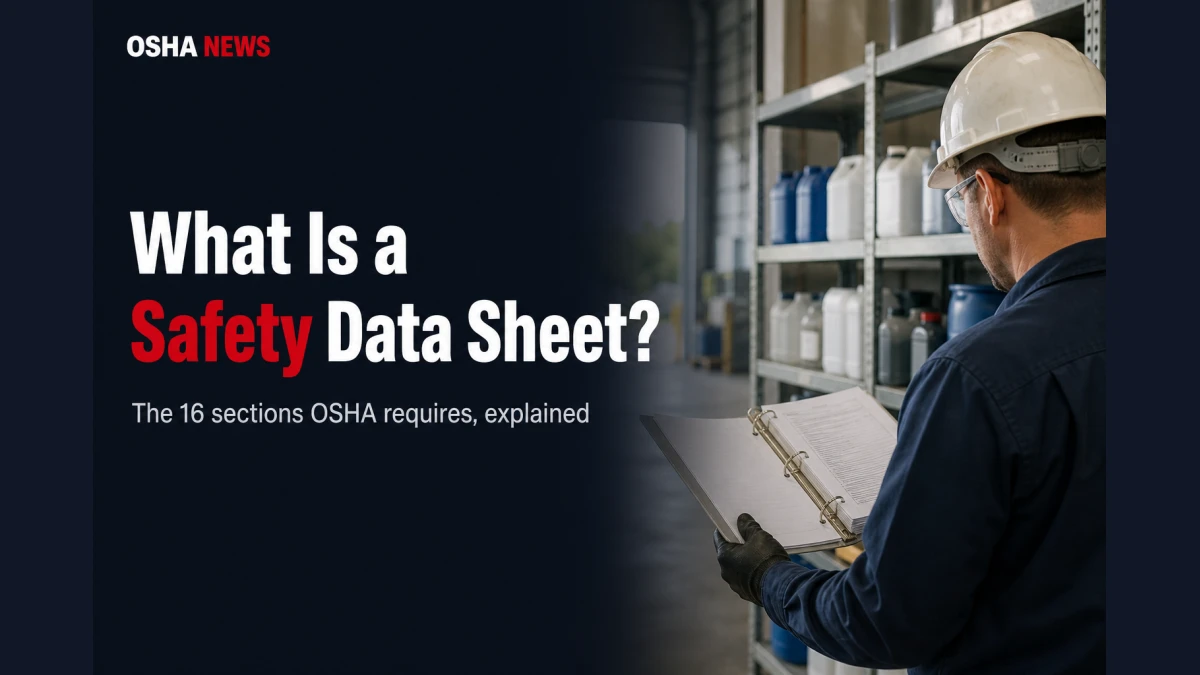
What Is a Safety Data Sheet (SDS/MSDS)? The 16 Sections OSHA Requires, Explained
A safety data sheet, or SDS, is the legally required 16-section document that tells a worker what's in a hazardous chemical, how it can hurt them, and what to do about it. It replaced the older MSDS name in 2012, and the format itself is the safety feature.
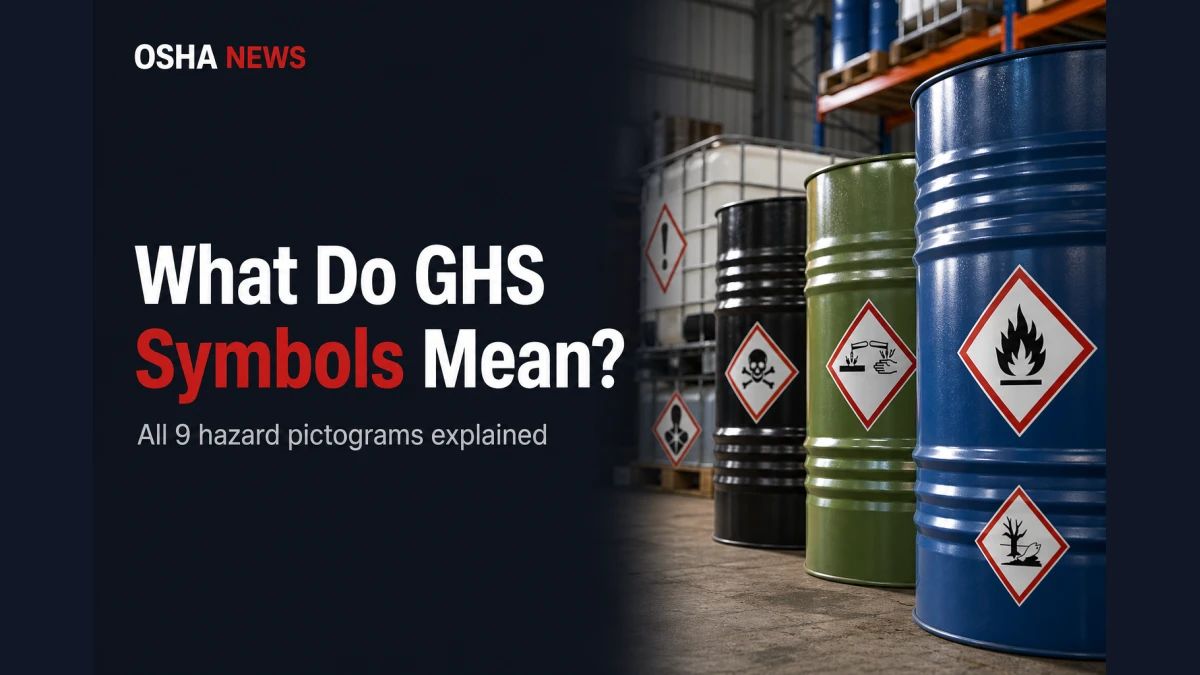
GHS Hazard Symbols: What All 9 OSHA Pictograms Actually Mean
There are 9 GHS hazard symbols, the red-bordered pictograms required on chemical labels since June 1, 2015, and 8 of them are mandatory under OSHA's own Hazard Communication Standard. They exist so a worker can recognize a real hazard at a glance, in any language, before anything goes wrong, and a real OSHA case on this site shows exactly what happens when that system breaks down.
What OSHA Does Not Cover: The Exemptions Most Businesses Don't Know About
OSHA does not cover everyone. Self-employed workers, most government employees, mining, and people you hire directly to clean your own house all fall outside its jurisdiction, by law, not by accident, and the reasons are four different legal mechanisms working at once.